High cholesterol is a significant risk factor for heart disease and stroke, which remain leading causes of death worldwide. Elevated cholesterol levels, especially of the harmful low-density lipoprotein (LDL), can clog arteries and impair blood flow, increasing the risk of cardiovascular complications. Understanding natural ways to manage and reduce high cholesterol is crucial for maintaining heart health and preventing disease.
What is High Cholesterol?
High cholesterol, medically known as hypercholesterolemia or hyperlipidemia, refers to an excessive amount of cholesterol in the blood. Cholesterol is a fatty substance essential for producing cell membranes, hormones, and vitamin D. However, when blood cholesterol levels exceed normal ranges, it can harm the cardiovascular system.
- Normal cholesterol: less than 200 mg/dL
- Borderline high cholesterol: 200–239 mg/dL
- High cholesterol: 240 mg/dL and above
Cholesterol travels in the blood via lipoproteins, mainly:
- Low-Density Lipoprotein (LDL): Known as “bad cholesterol,” high levels of LDL contribute to plaque buildup in arteries, leading to narrowing and blockage (atherosclerosis). This increases the risk of chest pain (angina), heart attack, and stroke. Optimal LDL is less than 100 mg/dL; levels above 160 mg/dL are considered high risk.
- High-Density Lipoprotein (HDL): Known as “good cholesterol,” HDL helps remove excess cholesterol from the bloodstream and transport it to the liver for elimination. Higher HDL levels are protective against heart disease. HDL below 40 mg/dL in men and 50 mg/dL in women is considered risky.
Causes and Risk Factors of High Cholesterol
High cholesterol can be hereditary or lifestyle-related.
Genetic Causes
Familial hypercholesterolemia is a genetic condition where the body cannot effectively remove LDL cholesterol due to defective LDL receptors in the liver. This leads to dangerously high cholesterol levels even with a healthy lifestyle.
Lifestyle Factors
Most high cholesterol cases result from unhealthy habits, such as:
- Obesity: Excess weight increases LDL and lowers HDL levels.
- Alcohol consumption: Alcohol metabolism can raise cholesterol production.
- Unhealthy diet: Diets rich in saturated fats (red meat, cheese, fried foods, butter) elevate LDL cholesterol.
- Smoking: Smoking damages arterial walls, promoting cholesterol buildup and increasing cardiovascular risk.
- Stress: Chronic stress can stimulate hormones that increase cholesterol production.
- Sedentary lifestyle: Lack of physical activity reduces HDL and promotes LDL accumulation.
- Age: Cholesterol levels tend to rise with age, increasing risk in older adults.
Symptoms and Complications
High cholesterol itself usually has no symptoms and is often detected only through blood tests. If left unmanaged, it can lead to serious health problems such as:
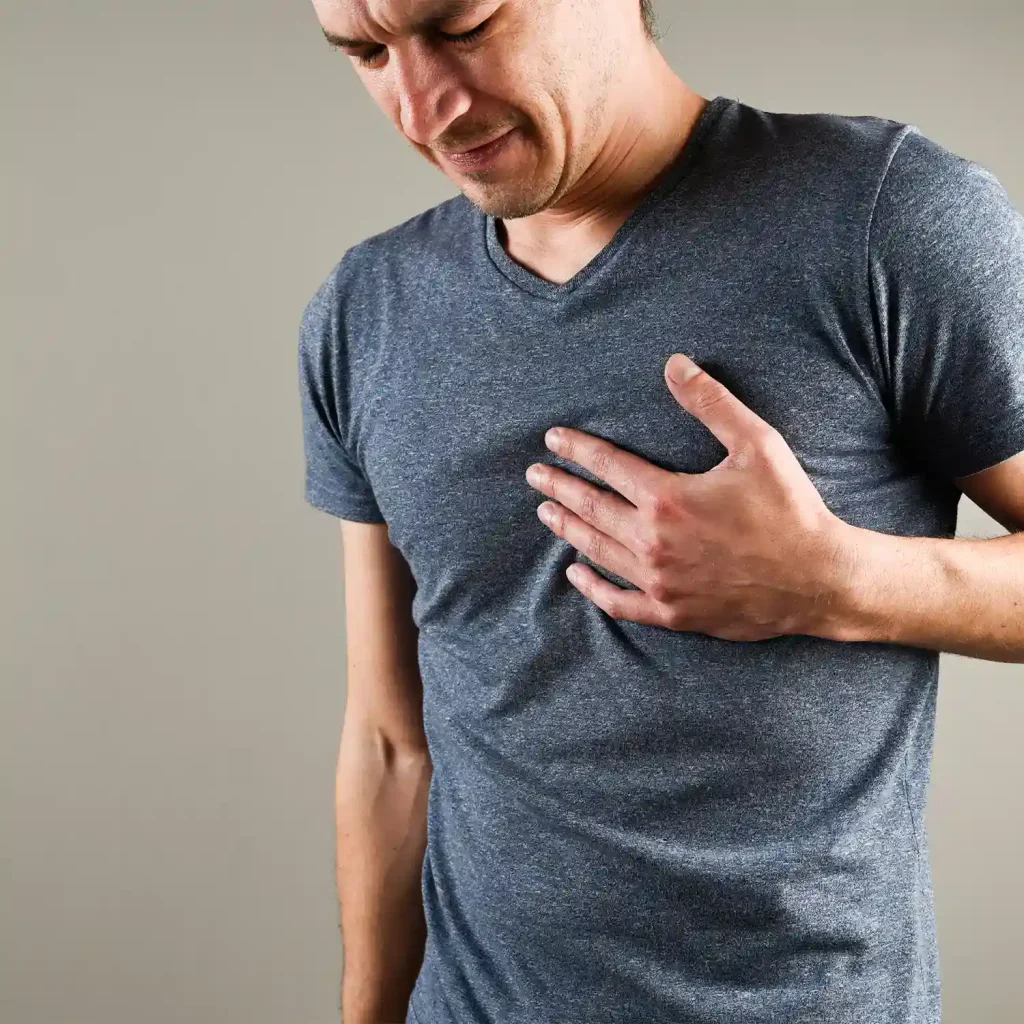
- Chest pain
- Heart attack
- Heart failure
- Stroke
- Coronary artery disease
- Arrhythmia
- High blood pressure
- Peripheral artery disease
Prevention and Lifestyle Modifications
Preventing high cholesterol involves adopting heart-healthy habits:
- Quit smoking: Stops damage to arteries and improves HDL levels.
- Eat a healthy diet: Emphasize fruits, vegetables, whole grains, and omega-3-rich fish while reducing saturated fats and trans fats.
- Exercise regularly: Physical activity raises HDL and helps eliminate LDL cholesterol.
- Limit alcohol intake: Excessive drinking raises cholesterol and contributes to obesity.
- Maintain a healthy weight: Use Body Mass Index (BMI) to monitor weight; a BMI between 18.5 and 24.9 is ideal.
7 Natural Remedies to Lower High Cholesterol
In addition to lifestyle changes, several natural remedies have shown effectiveness in managing cholesterol levels:
1. Garlic
Garlic has been extensively studied for its cholesterol-lowering effects. It helps reduce LDL levels while boosting HDL. Garlic also supports metabolism and aids digestion, which can contribute to weight loss and improved cholesterol profiles.
2. Turmeric
Containing the active compound curcumin, turmeric helps block cholesterol production in the liver and prevents its absorption in the intestines. Turmeric also assists in breaking down cholesterol deposits in arterial walls, making it a valuable natural remedy.
3. Ginger
Ginger aids in lowering LDL cholesterol and overall body fat. Its antioxidant and anti-inflammatory properties also help reduce risks associated with diabetes, stroke, and heart disease.
4. Soluble Fibers
Soluble fibers bind to cholesterol in the digestive system, reducing its absorption into the bloodstream. Foods rich in soluble fiber include oats, avocados, legumes, and certain fruits, which help lower blood cholesterol effectively.
5. Apple Cider Vinegar
Apple cider vinegar contains polyphenols—natural antioxidants that help decrease LDL cholesterol and increase HDL, promoting balanced cholesterol levels.
6. Green Tea
Green tea is rich in catechins, antioxidants that reduce LDL cholesterol and improve heart health. Regular consumption of green tea supports cholesterol management and cardiovascular function.
7. Aerobic Exercise
Engaging in at least 150 minutes of moderate aerobic exercise weekly—such as brisk walking, running, cycling, or swimming—helps reduce LDL cholesterol and raise HDL cholesterol, improving overall heart health.
Final Thoughts
Regular cholesterol screening is essential since high cholesterol typically has no symptoms until complications arise. Early detection allows timely intervention to prevent heart disease and stroke. Combining natural remedies with healthy lifestyle habits and medical guidance offers the best approach to managing high cholesterol effectively. If natural methods do not sufficiently lower cholesterol, consulting a healthcare provider for further evaluation and treatment is crucial.