Chlamydia is a widespread sexually transmitted infection caused by the bacterium Chlamydia trachomatis. It affects millions globally each year and is especially common among young women. One of the challenges with chlamydia is that it often remains asymptomatic, making early detection difficult without laboratory testing. If untreated, it can cause serious complications such as pelvic inflammatory disease, infertility, and increased susceptibility to other infections, including HIV.
While antibiotic therapy remains the only effective cure for chlamydia, many people seek home remedies to alleviate symptoms or reduce side effects related to antibiotic use. This article explores several home remedies that may complement conventional treatment but emphasizes that they cannot replace antibiotics.
Understanding Chlamydia and Its Symptoms
Chlamydia infections often do not cause noticeable symptoms, which contributes to underdiagnosis. When symptoms do appear, they may include genital pain, pelvic discomfort, painful urination, painful intercourse, vaginal bleeding or pain, testicular pain, and premature ejaculation in men. Because symptoms can be mild or absent, regular screening is essential for sexually active individuals to detect and treat infections early.
Chlamydia spreads primarily through vaginal, anal, or oral sex. Pregnant women with chlamydia can transmit the infection to their newborns during delivery, potentially causing pneumonia or serious eye infections.
Why Home Remedies Alone Are Insufficient
Chlamydia is caused by a resilient bacterial strain that cannot be eradicated by home remedies alone. Antibiotics such as doxycycline and azithromycin are necessary to eliminate the bacteria effectively. However, home remedies can play a supportive role by easing symptoms and mitigating side effects caused by antibiotic treatments, such as fungal infections or inflammation.
Effective Home Remedies to Support Chlamydia Treatment
1. Garlic
Garlic contains allicin, a compound with antibacterial and anti-inflammatory properties. While allicin does not kill chlamydia bacteria directly, garlic’s antifungal effects can help prevent fungal infections that often accompany prolonged antibiotic use. Consuming raw garlic or garlic supplements may support overall immune health and reduce antibiotic side effects.
2. Goldenseal
Goldenseal is a perennial plant whose roots and leaves contain berberine, an antibacterial and antifungal compound. Berberine inhibits bacterial adhesion and fungal growth, making goldenseal beneficial in managing urinary tract infections and possibly alleviating some symptoms associated with chlamydia. It may also help reduce fungal infections linked to antibiotic therapy.
3. Echinacea
Known for boosting immune function, echinacea contains antioxidants and active compounds that reduce inflammation and support the body’s natural defenses. While it does not cure chlamydia, echinacea can help alleviate symptoms and enhance recovery by promoting immune system efficiency.
4. Olive Leaf Extract
Olive leaf extract contains oleuropein, which has anti-inflammatory, antioxidant, and antimicrobial properties. It may help reduce infection symptoms and prevent bacterial spread, making it a useful adjunct in managing chlamydia symptoms. However, it is not a substitute for antibiotics.
5. Turmeric
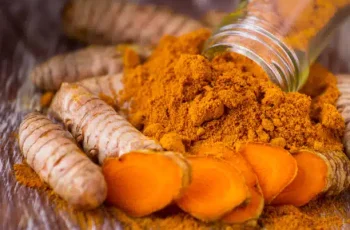
Turmeric’s active ingredient, curcumin, is a potent anti-inflammatory agent. It may help reduce inflammation and discomfort associated with chlamydia infections. Though turmeric supports symptom relief, it lacks evidence as a standalone treatment for sexually transmitted infections.
6. Oregano Oil
Rich in antioxidants, oregano oil offers anti-inflammatory and antifungal benefits. It can help counteract fungal infections caused by antibiotic use and reduce inflammation. However, oregano oil does not have proven effectiveness against the chlamydia bacteria itself and should be used cautiously due to potential side effects like abdominal pain or allergic reactions.
7. Probiotics
Antibiotic treatment for chlamydia can disrupt the body’s beneficial bacterial flora, especially in the reproductive and digestive systems. Probiotics—found in yogurt, kefir, soft cheeses, and supplements—help restore healthy bacteria balance, reducing side effects such as yeast infections and digestive upset. Regular probiotic intake supports overall immune and metabolic health during and after antibiotic therapy.
The Importance of Conventional Treatment
Despite the supportive benefits of home remedies, antibiotics remain the only proven cure for chlamydia. Untreated infections can lead to severe health complications, including infertility, pelvic inflammatory disease, and increased vulnerability to other infections. The most commonly prescribed antibiotic is doxycycline, typically administered as 100 mg twice daily for seven days. Alternatives like azithromycin or levofloxacin may be used depending on patient circumstances, such as pregnancy.
Conclusion
Chlamydia is a serious infection that requires prompt antibiotic treatment to prevent long-term health issues. While home remedies such as garlic, goldenseal, echinacea, olive leaf extract, turmeric, oregano oil, and probiotics cannot cure chlamydia, they may help alleviate symptoms and reduce antibiotic-related side effects. Incorporating these natural remedies alongside medical treatment can support recovery and improve comfort, but they should never replace professional medical care. Early diagnosis and adherence to prescribed antibiotics are essential for effective chlamydia management and preventing complications.